Week 4: notes_ chap. 3-5/ quiz 1-5 (etymology)
Week 4
|
Chapter 3-5 (quiz 1-5)
|
Put your feeling into something
|
Em-: put into
e.g. Empathy |
Detest
|
Dislike something
very much
|
Be dismissed from
|
|
Omnipotent
|
Omni-: all
potent-: ability |
Impotent
|
Useless
|
Incompetent
|
lacking necessary
ability or skills
|
Omniscient God
|
All power
|
Omniscient point of view
|
|
Odor
|
Stink smell
|
Epilogue
|
What happen next
|
Telepathy
|
Tele-: far
pathy-: feeling (倒數第三個音節重音) |
How to take this kind of test?
|
3 elements
1. Part of speech
2. etymological
information
3. contextual clue
|
Eugenic
|
優生學
|
Euphemism
|
Eu-: good
|
Polychromatic
|
Poly-: many
|
On and off
|
|
Syndrome
|
Syn-: with, together(念n嘴開)
|
Philanthropy
|
Phil-: love
anth-: human |
Soph-: wisdom
|
|
Analogies
|
類比
|
Re-: again
|
e.g. Rectify, repair
|
Amendment
|
憲法增修條文
|
Consensus vs. Harmony
|
Deliver the similar message
|
Mock and ridicule
|
Make fun of someone
|
Crook
|
Lie
|
Prolific: fruitful
numerous: fertile |
Many, much, in favor
of
|
Dissipate: waste
|
Squander: misspend
|
Replicate: reproduce
|
Duplicate: recreate
(do it again)
|
Inevitable: inescapable
|
Destined: unavoidable
|
Wiretapped
|
監聽
|
Investigated report
|
|
全美三大報
|
USA Today
NY Times Washington Post |
A picture is more than ten thousand words.
|
|
|
|
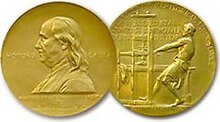
The Pulitzer Prize
/ˈpʊlɨtsər/ is a U.S. award for achievements in newspaper and online
journalism, literature, and musical composition. It was established in 1917
by provisions in the will of American (Hungarian-born) publisher Joseph
Pulitzer, and is administered by Columbia University in New York City. Prizes
are awarded yearly in twenty-one categories. In twenty of the categories,
each winner receives a certificate and a US$10,000 cash award.The winner in
the public service category of the journalism competition is awarded a gold
medal.
|
Comments
Post a Comment